When AI Becomes a Third Party in Your Relationship

Have you been using AI to process conflict or problems you’re experiencing in relationships? Many people are. It can feel really good to have a place to put your thoughts and get immediate empathetic responses that sound surprisingly human. Plus, if you are embarrassed about the problem, worried about being judged, or afraid people will get tired of hearing about it, processing your thoughts with AI can feel particularly tempting and appealing.
AI doesn’t have feelings, so it won’t tire of hearing about your problems, and it’s ready to listen and respond any time of day. That’s difficult to find in human relationships. But human relationships are still very important to us. What happens to them when we turn to AI instead?
Why People Are Turning to AI for Relationship Advice

I’ve been making some use of AI myself. It’s kind of exciting to see how quickly AI can analyze patterns of behavior if given enough information. Getting a personality analysis or suggestion of attachment style within seconds is truly interesting. AI can provide some pretty good insights and even point out holes in thinking. I think AI can be and is likely going to be a useful tool alongside therapy.
Clients have been bringing their mid-week AI conversations to sessions and I welcome it. I enjoy exploring how clients feel and think about the discussions they are having with AI and the ways they both agree and disagree with the feedback they receive. In some cases, AI is helping clients home in on certain patterns of behavior they engage in and helping them to be more self-reflective. However, I have become concerned about some ways AI is being used in relationships.
When AI Encourages Withdrawal Instead of Repair
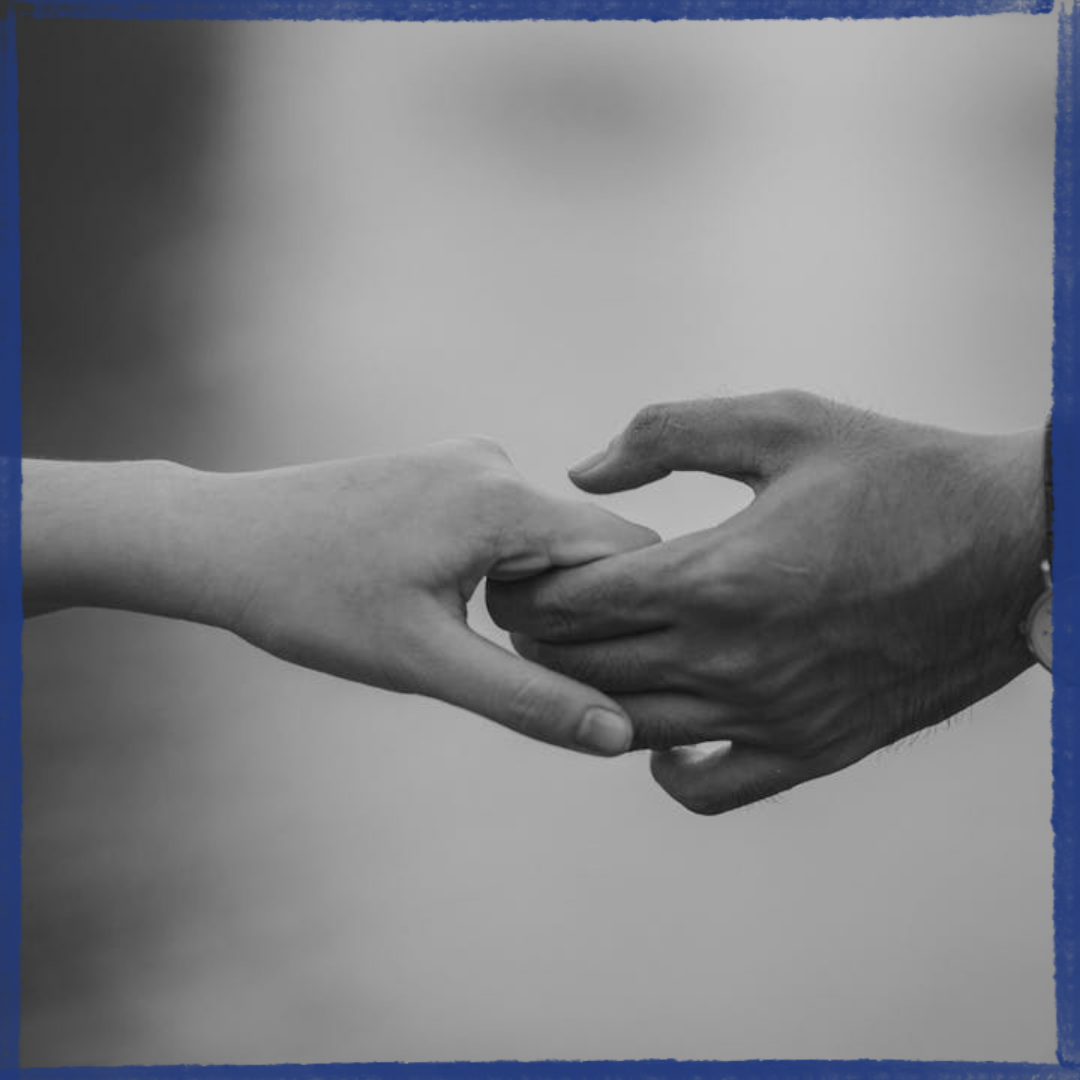
I can’t help but notice how often AI is being consulted to process relational stressors and to provide guidance on what to say or do in response to a conflict. Sometimes the advice AI gives leads to premature withdrawal from relationships. I’ve seen AI frequently recommend that someone send a final text and then block the other person. Because of this, relationships and people are being abandoned without an opportunity to work through the problem together and repair the relationship. I’ve also watched AI introduce ideas that lead to negative beliefs about a person or relationship that may not actually be true.
AI Only Knows Your Side of the Story
It’s important to remember that AI provides feedback through the user’s lens only. It doesn’t have all the other context of the relationship or the other person’s perspective. And AI doesn’t have to suffer any consequences for the feedback it offers. It won’t feel guilty if it gives you bad advice, if things go poorly, or if you lose a significant relationship because of something it said.
When AI Language Replaces Your Authentic Voice
AI often recommends language in conflict that replaces a person’s genuine and authentic feelings with words that are optimized and emotionally flattened. The other person is left responding to computerized language rather than to the actual person they’re in relationship with. And it creates a dependency on a machine to come up with something “good to say” rather than cultivating a sense of internal understanding and putting those feelings into your own words. It risks losing an opportunity to truly be known by the other person.
We Learn About Each Other Through Conflict

Relationships often become stronger through conflict if it can be worked through successfully. Many of us need help developing skills to navigate conflict, but I’m concerned that AI is providing language to use that replaces skill development rather than supporting an authentic knowing between the two people.
Using AI to Manage Someone Else's Response
In addition, some people utilize AI, perhaps unconsciously, to manipulate the responses of the people they are in relationship with, to try to produce the response they want rather than communicating authentically and working to understand each other. When this comes up in therapy, I try to ask questions to help my client get in touch with their goals in the conflict and in the relationship and try to help them explore if there is something they are afraid of facing about themselves, the other person, or the relationship itself. I work with them to address what they might fear happening so that they can pursue more authentic communication. I think most people don’t want to intentionally manipulate (although some people do!). And using AI in this way undermines trust and creates a false sense of intimacy that substitutes for the real thing.
When Withdrawal Replaces Repair

Most people I work with want to experience real closeness and intimacy with others. They want to learn how to work through conflict and be in relationships with others who can do so as well. Blocking may be appropriate in some circumstances, particularly in abuse. But I think AI often recommends withdrawal and blocking prematurely and this is a real threat to human relationships. Because once someone blocks or withdraws and becomes primarily engaged with the AI to process their experience, repair of the rupture may be impossible.
We Need Each Other
Rupture occurs in human relationships. We cannot be in a truly intimate relationship without conflict. Learning to work through and navigate those conflicts is extremely important for human well-being. We need our relationships with each other. Human warmth, truly being known by another person, is not something AI will ever be able to provide.
How to Use AI More Wisely in Your Relationships

I think AI can be used in a discerning way to perhaps see blind spots in your own behavior and to understand your own patterns. And I think there’s a sophistication to asking questions from multiple angles and taking the AI responses with a grain of salt. How you ask the question impacts the kind of answer you get in return. But I hope you will guard against AI replacing the difficulty and wonder of actually being in human relationship. I hope you will discover how to talk about your internal experience and communicate your feelings in your own words with the people in your life, so that you can truly be known and you can truly know others.
What AI Itself Says About This
I was curious what Claude.ai thought about my observation of its tendency to recommend blocking and withdrawal from conflict. I found its explanation interesting. It described its programming as prioritizing human safety, which may lead it to interpret relational conflict as danger and distance as protection. It said that “AI-mediated withdrawal from relationship is going to become more common before anyone figures out how to address it.” There is perhaps some irony in citing AI to make this point, but I found it worth sharing!
Is AI Making It Harder for You to Be Close to Others?

Learning how to navigate conflict and regulate emotions when difficulty arises in relationships is really important. Difficulty in relationships is necessary for real intimacy. By itself, it does not mean that the relationship is bad. If you are depending on AI to navigate a relationship that is important to you, I think it’s worth asking why. Is it something about you, the other person, the relationship dynamic? Do you struggle with confrontation and conflict? Do you struggle with setting limits for yourself? Does this particular person make you more anxious than others do? If so, why?
Get Support
I love helping clients learn how to regulate their emotions and navigate conflict in relationships. You deserve closeness in your life! These are the kinds of things that therapy can help you explore. I offer in person counseling in New York City and virtual counseling to individuals in FL, CA, and Upstate NY. You can learn more about counseling with me here. Or you can contact me for a free 15-minute phone consultation to tell me a bit about your needs and we can determine if it makes sense to work together.
About Melissa
I’m Melissa King, a Licensed Mental Health Counselor in private practice in New York City, with advanced training in sex therapy. I specialize in the intersection of sexual health, shame, and self-worth.
My practice includes both in-person sessions in NYC and virtual sessions for clients in Florida and California. I’m passionate about helping people heal shame, rebuild confidence, and create deeper, more authentic relationships. Find out more about working with me here.
**This information is not intended to replace medical advice or psychotherapy and is not intended to address all the caveats of a diagnosis. Information found on this website does not create a provider-patient relationship with the reader.